Honley Engineering Casting in Islamabad

Honley Engineering Casting
Casting in Honley Engineering

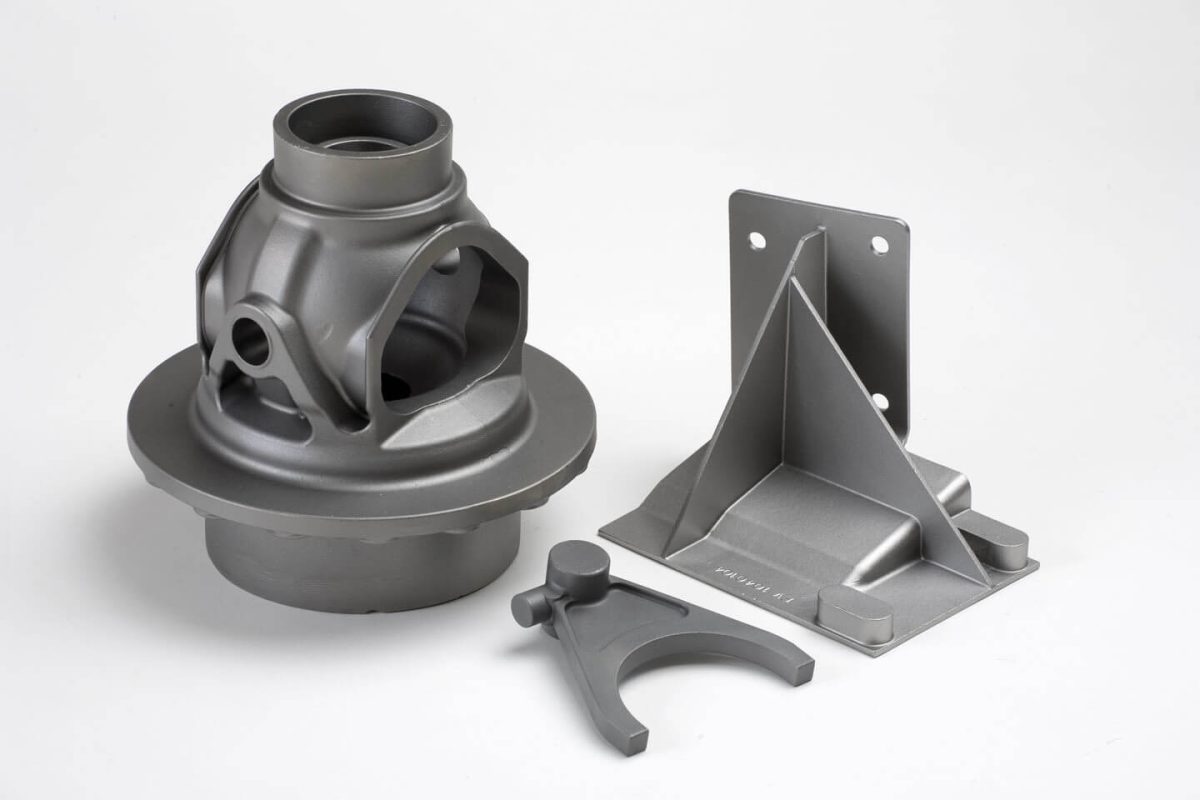
Casting is a fundamental and ancient manufacturing process used to create objects by pouring a liquid material into a mold, allowing it to solidify, and then removing the solidified part (the “casting”) from the mold. This method is widely employed in engineering to produce components with complex geometries, often more economically than other manufacturing techniques like machining or fabrication.

  1. Pattern Making:
    • A pattern is a replica of the final object to be cast, slightly oversized to account for material shrinkage during cooling.
    • Patterns are typically made from wood, metal, plastic, or wax, depending on the casting process and desired production volume.
    • The pattern is used to create the mold cavity.
  2. Mold Preparation:
    • A mold is a hollow cavity that precisely defines the shape of the desired casting.
    • Molds can be expendable (destroyed after one use, like sand molds) or permanent (reusable, like metal dies).
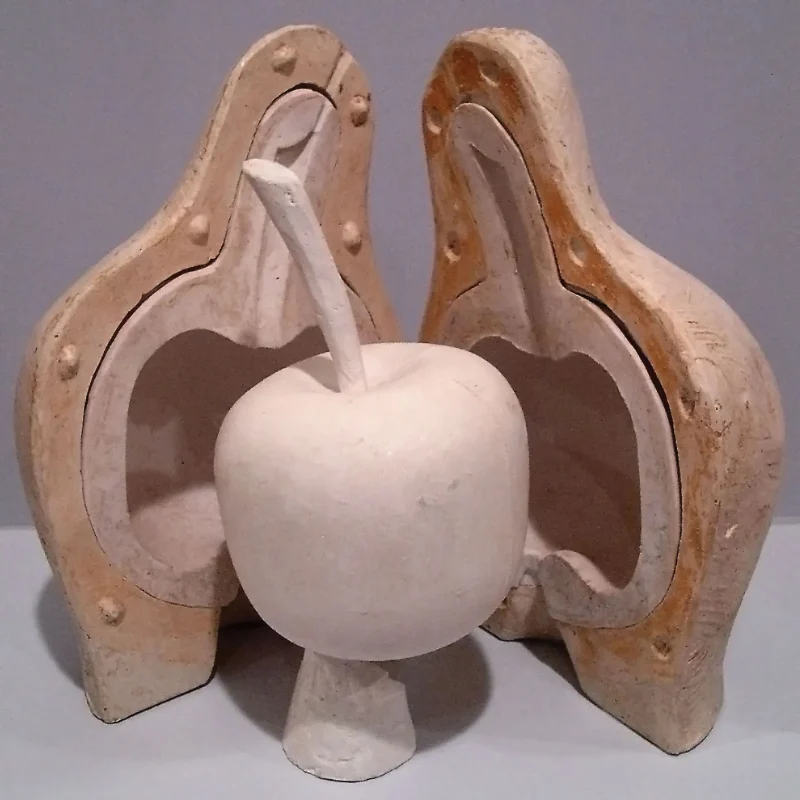
    • The pattern is used to form the mold cavity. For example, in sand casting, sand is packed around the pattern, which is then removed, leaving the cavity.
    • Cores (if needed) are placed within the mold to create internal features or hollow sections in the casting.
    • A gating system (including pouring basin, sprue, runners, and gates) is designed to guide the molten material into the mold cavity.
    • Risers are reservoirs of molten metal attached to the casting to compensate for shrinkage during solidification, ensuring a solid, defect-free part.
  3. Melting:
    • The raw material (e.g., metal, plastic, glass) is heated in a furnace or crucible until it reaches its molten (liquid) state.
    • Care is taken to achieve the correct pouring temperature and to remove impurities (slag, dross) from the molten material.
  4. Pouring:
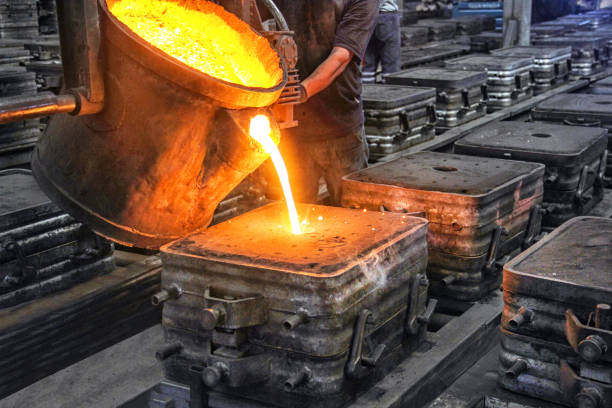
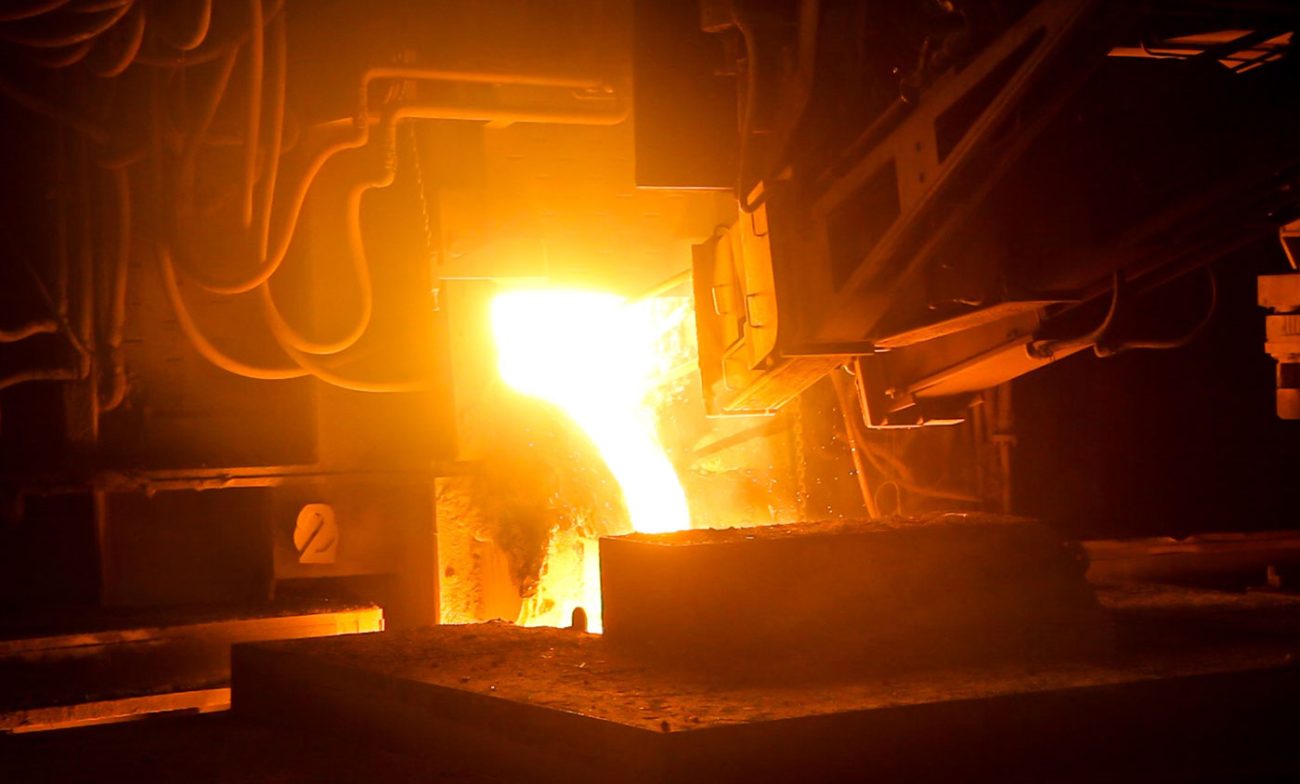
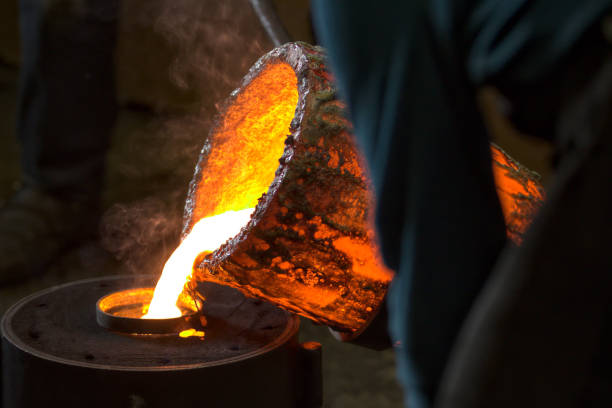
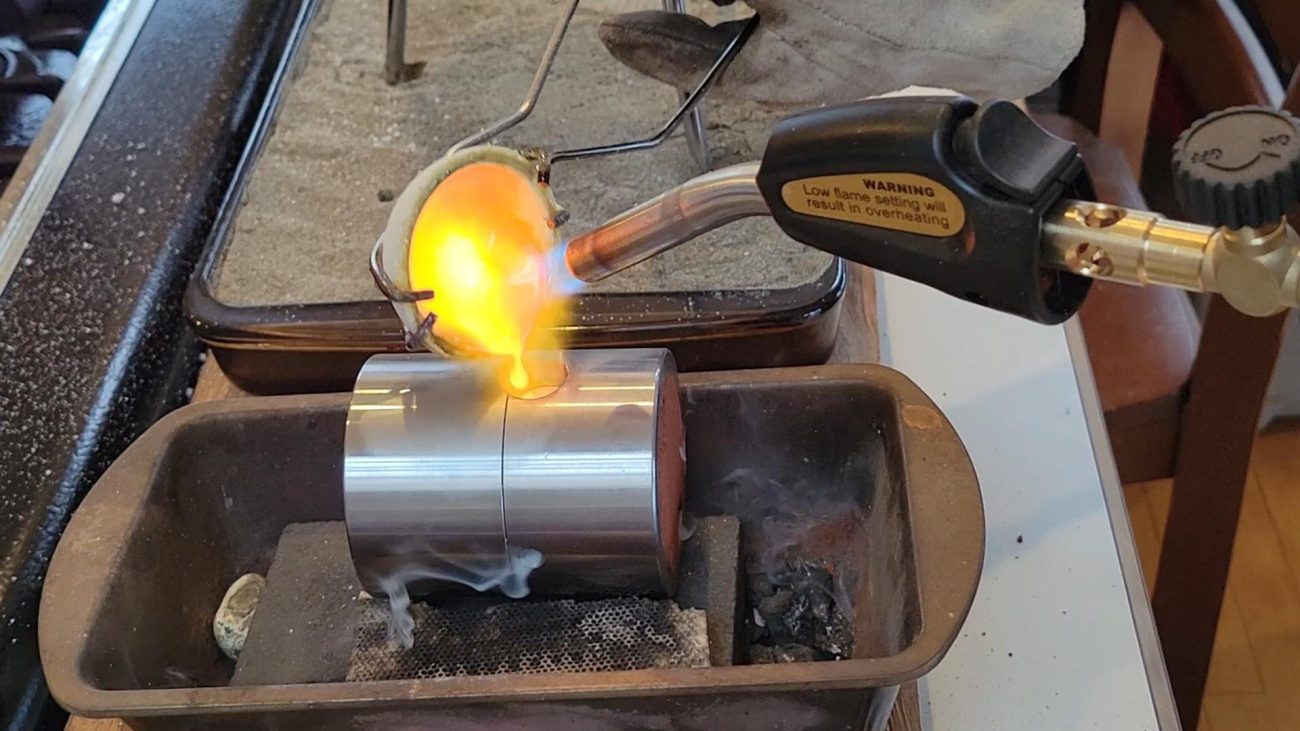
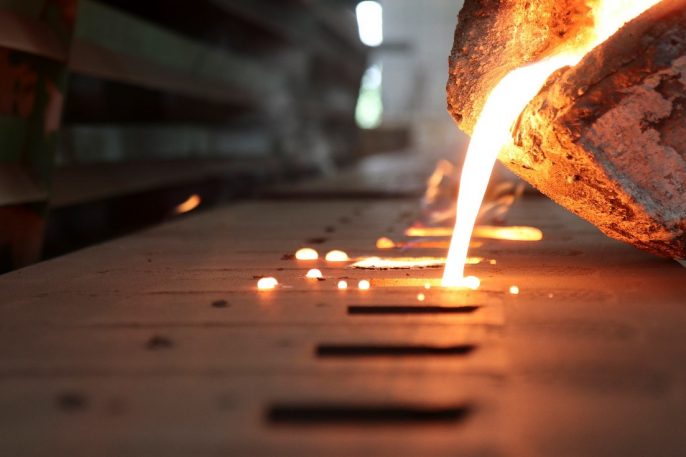
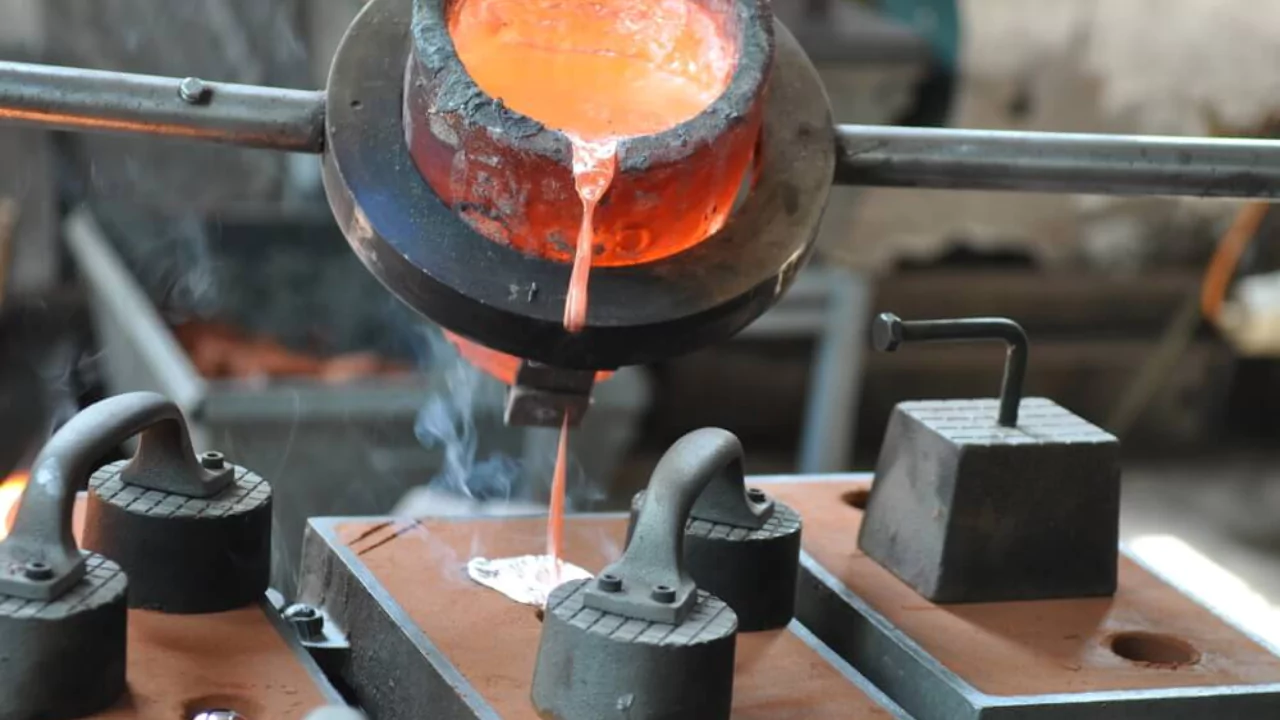
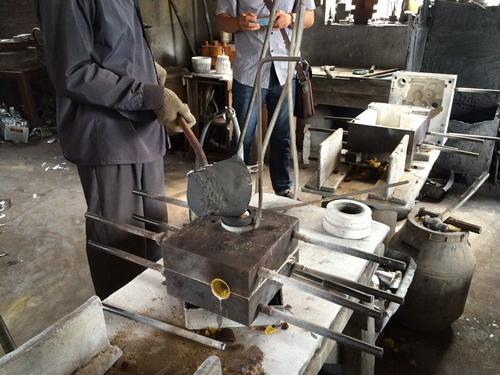
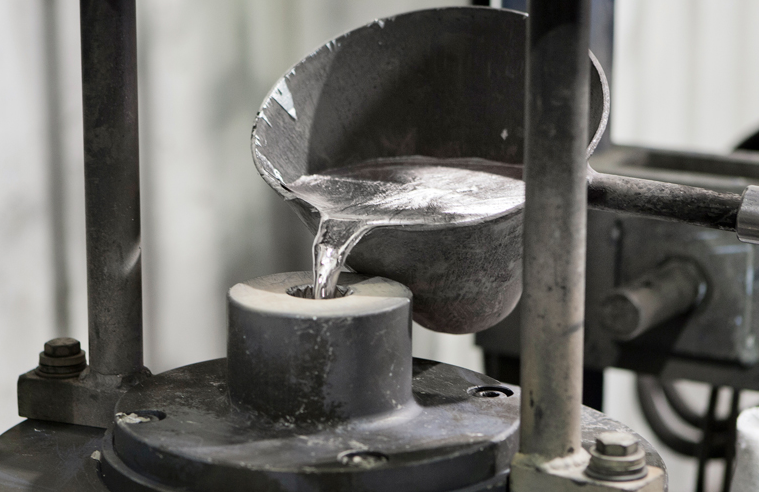
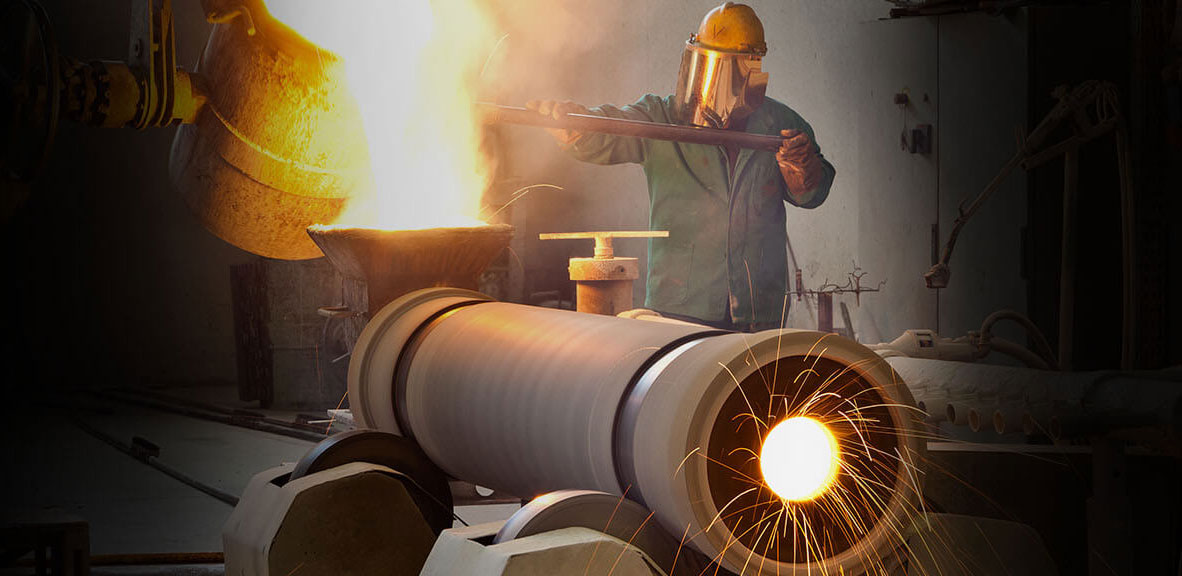
    • The molten material is carefully poured into the mold cavity through the gating system.
    • The pouring process must be controlled to prevent turbulence, which can lead to defects like trapped air or incomplete filling.
  5. Solidification:
    • Once the mold cavity is filled, the molten material begins to cool and solidify.
    • As the material cools, it undergoes phase changes and typically shrinks. The design of risers helps to feed additional liquid material into the solidifying casting to prevent shrinkage defects.
    • The cooling rate is critical as it influences the microstructure and mechanical properties of the final casting.
  6. Fettling (Casting Removal and Cleaning):
    • After solidification, the casting is removed from the mold. If it’s an expendable mold, the mold is broken away. For permanent molds, the mold halves are opened, and the part is ejected.
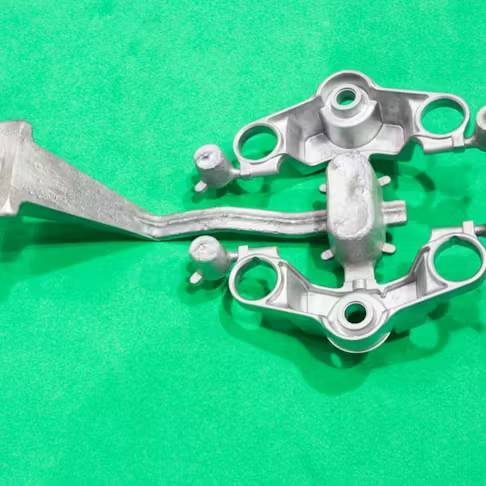
    • Fettling involves removing excess material such as the gating system (sprue, runners, risers) and any flashing (thin material squeezed into mold parting lines).
    • The casting is then cleaned to remove any residual mold material or surface contaminants.
  7. Finishing and Inspection:
    • Further operations like machining, grinding, polishing, or heat treatment may be performed to achieve the final dimensions, surface finish, and desired mechanical properties.
    • The finished casting undergoes inspection (visual, dimensional, non-destructive testing) to ensure it meets quality specifications.
Sand Casting

    • How it works: Uses a mold made from sand (typically silica sand mixed with a binder like clay or resin). The pattern is pressed into the sand to create the cavity, then removed. The mold is usually made in two halves (cope and drag) that are assembled. Molten metal is poured into the sand mold, solidifies, and then the sand mold is broken away to retrieve the casting.
    • Characteristics: Versatile, cost-effective for low to medium volumes, can produce very large and complex parts, suitable for almost any metal alloy.
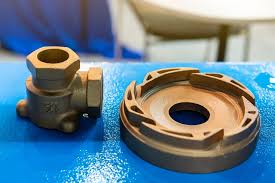
    • Applications: Engine blocks, machine bases, pump housings, valves, artistic sculptures.
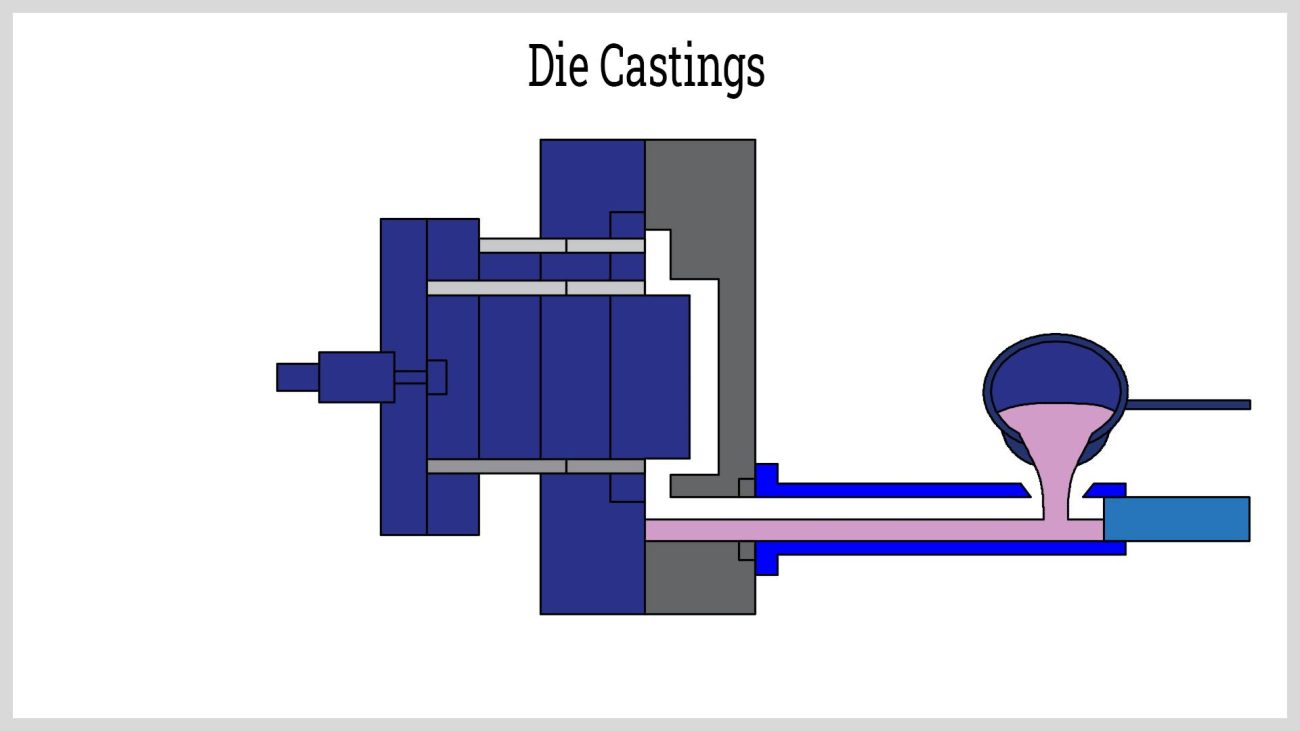
Die Casting

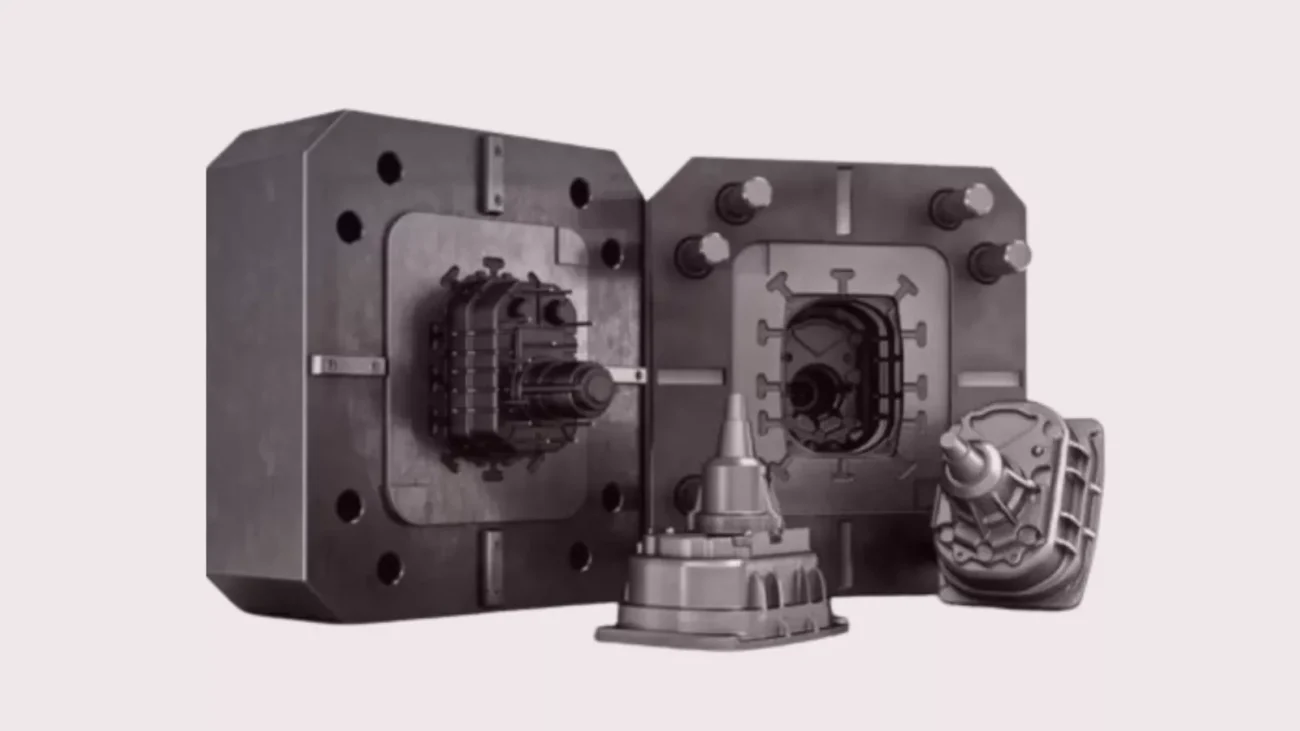
    • How it works: Molten metal is forced under high pressure into a reusable steel mold (die). There are two main types:
      • Hot Chamber Die Casting: Used for low-melting-point metals (e.g., zinc, magnesium, lead, tin). The melting furnace is part of the machine, and a "gooseneck" mechanism injects metal into the die.
      • Cold Chamber Die Casting: Used for high-melting-point metals (e.g., aluminum, copper alloys). Metal is melted in a separate furnace and then transferred to a shot chamber, where a plunger forces it into the die.
    • Characteristics: High production rates, excellent dimensional accuracy, smooth surface finish, suitable for thin-walled parts. High tooling costs, so best for high-volume production.
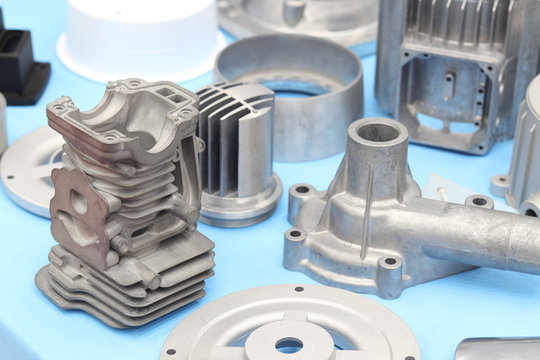
    • Applications: Automotive parts (engine components, wheels), electronic housings, consumer goods.
Investment Casting (Lost-Wax Casting)

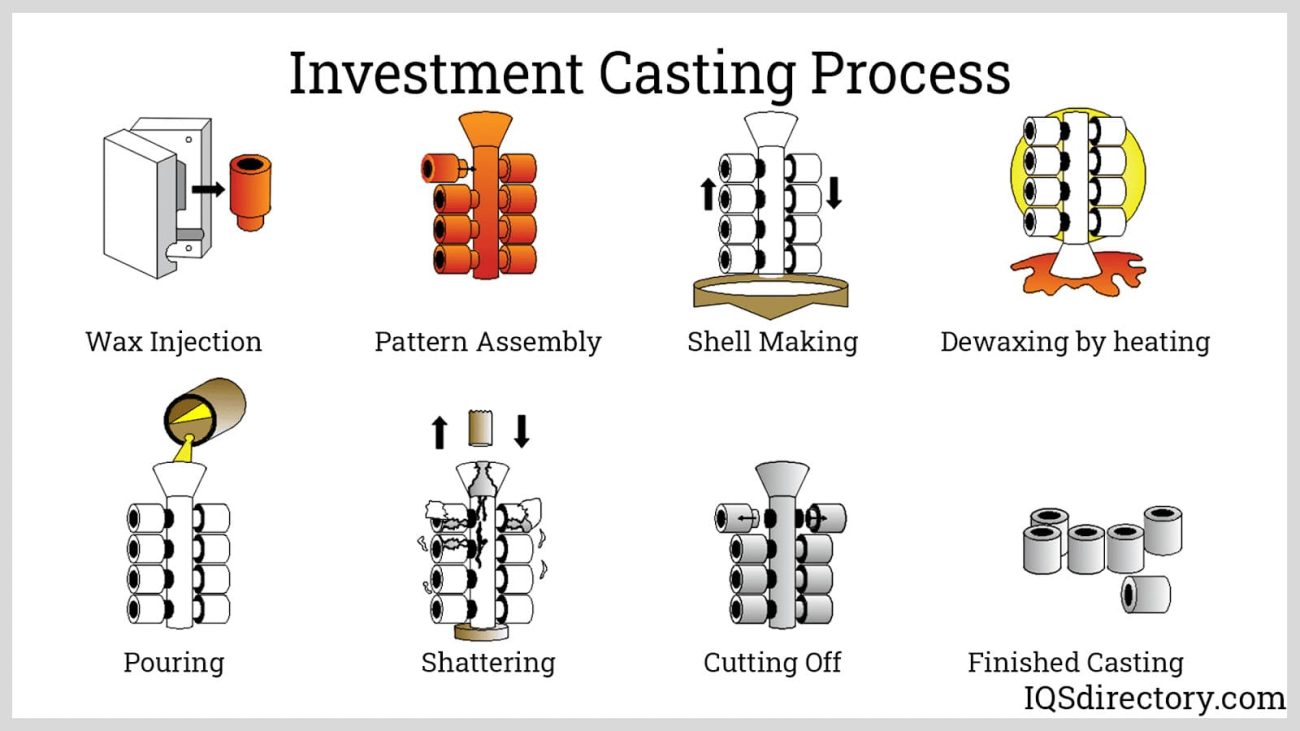
      • How it works: A pattern is made from wax (or a similar expendable material). This wax pattern is then coated with multiple layers of a ceramic slurry, which hardens to form a shell. The entire assembly is heated, melting and draining the wax ("lost wax"). The ceramic shell is then fired to increase its strength, creating a precise, single-use mold. Molten metal is poured into this ceramic mold.
      • Characteristics: Produces parts with exceptional dimensional accuracy, intricate details, and excellent surface finish, often requiring minimal post-machining. High cost per part due to the expendable mold and multi-step process.
      • Applications: Aerospace components (turbine blades), medical implants, jewelry, intricate industrial parts.
Permanent Mold Casting

    • How it works: Uses reusable molds typically made from cast iron or steel. Molten metal is poured into the mold cavity under gravity (hence "gravity die casting"). The mold halves are opened, and the solidified part is removed.
    • Characteristics: Better dimensional accuracy and surface finish than sand casting, reusable molds, higher production rates than sand casting. Limited to lower melting point alloys and simpler part geometries compared to die casting.
    • Applications: Automotive pistons, gears, pipe fittings, electrical fittings.
Centrifugal Casting

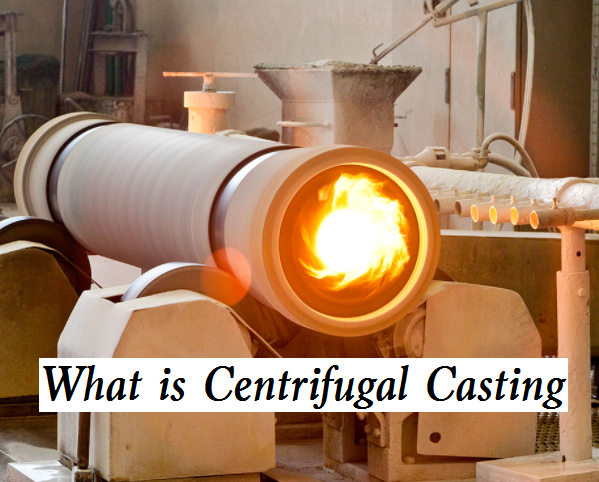
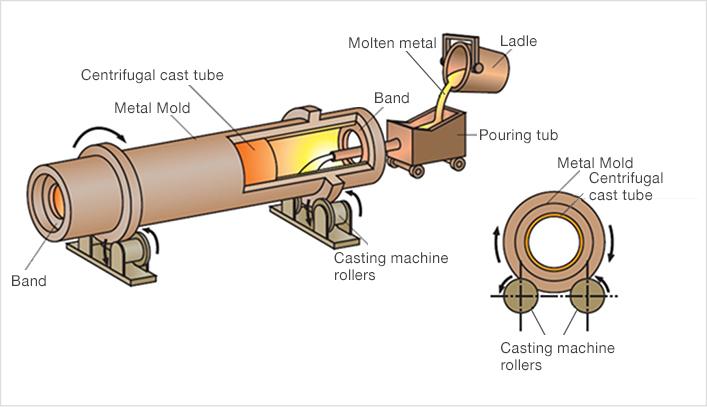
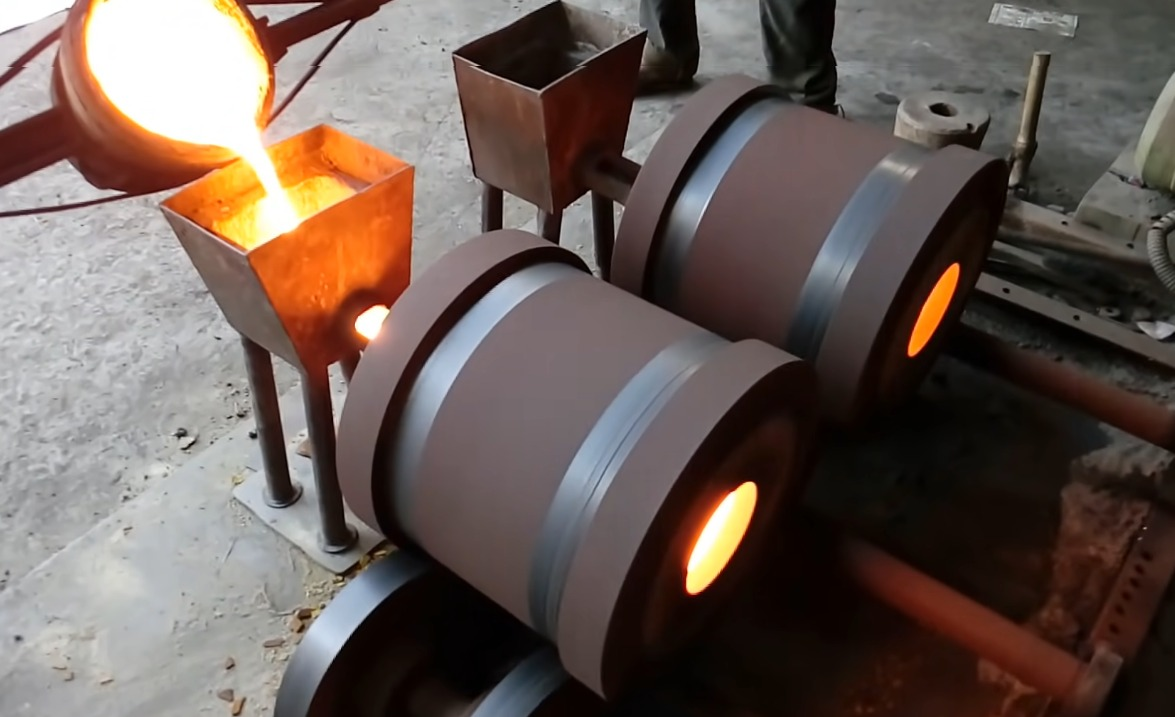
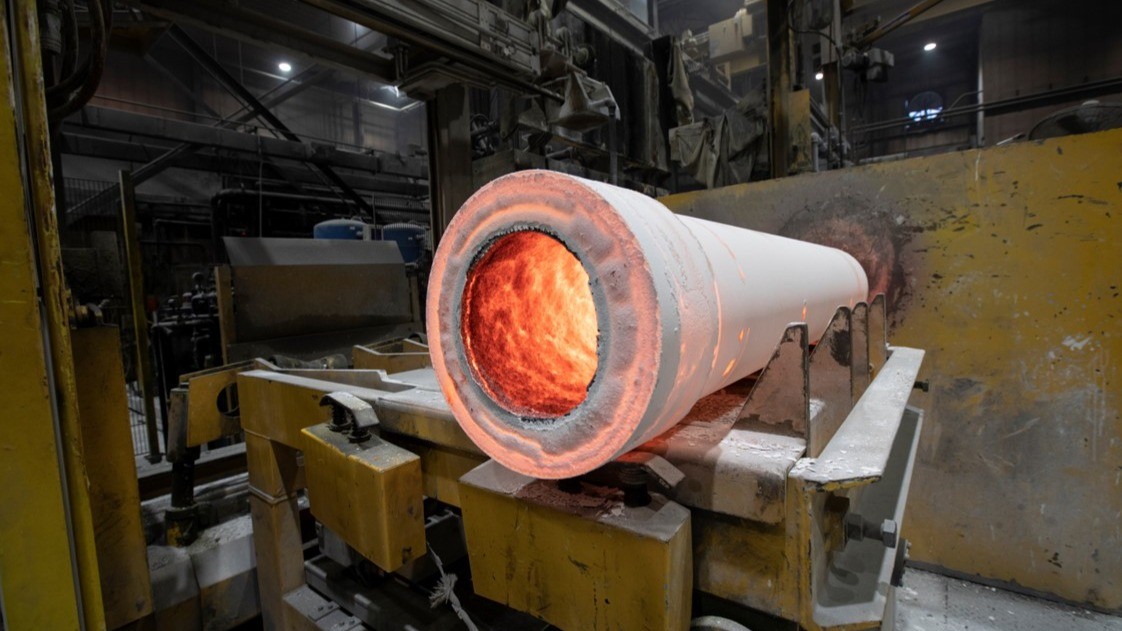
    • How it works: Molten metal is poured into a rapidly rotating mold. The centrifugal force pushes the molten metal against the mold walls, where it solidifies. This process can be "true centrifugal" (for hollow cylindrical parts without a core) or "semi-centrifugal" (for symmetrical parts with a central core).
    • Characteristics: Produces dense, high-quality castings with good mechanical properties, excellent for cylindrical and symmetrical parts, eliminates the need for risers in true centrifugal casting.
    • Applications: Pipes, tubes, cylinder liners, bearing races, flywheels.
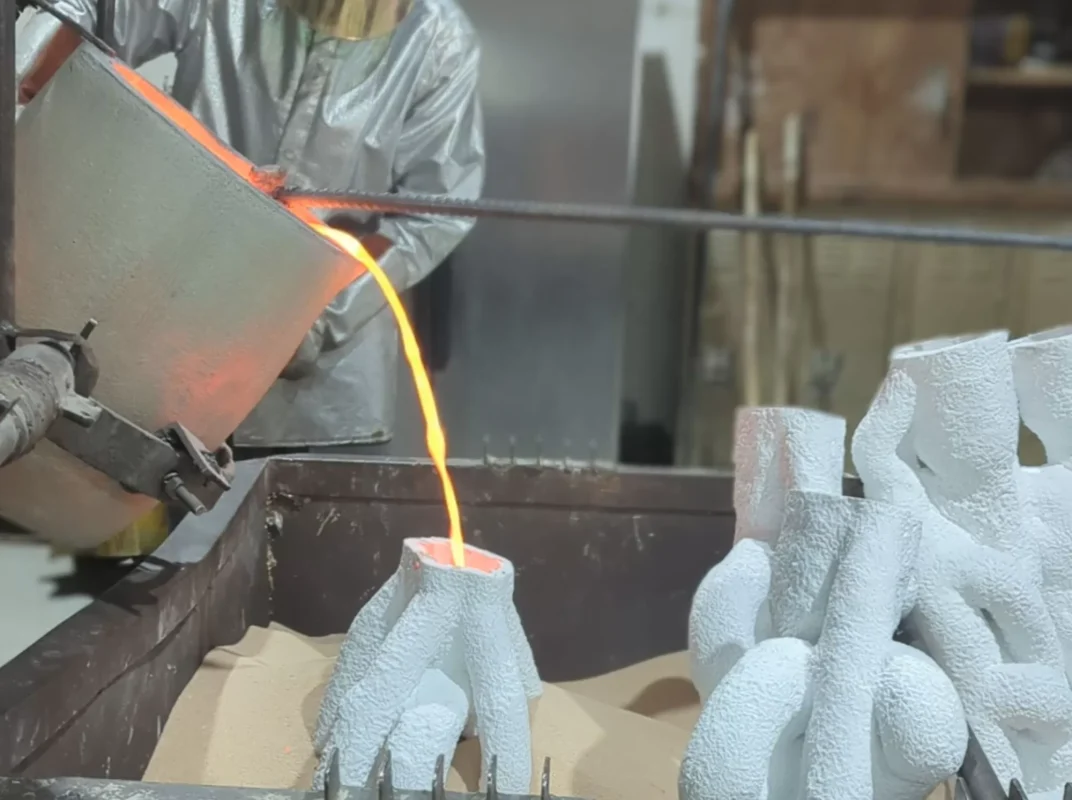
Lost Foam Casting

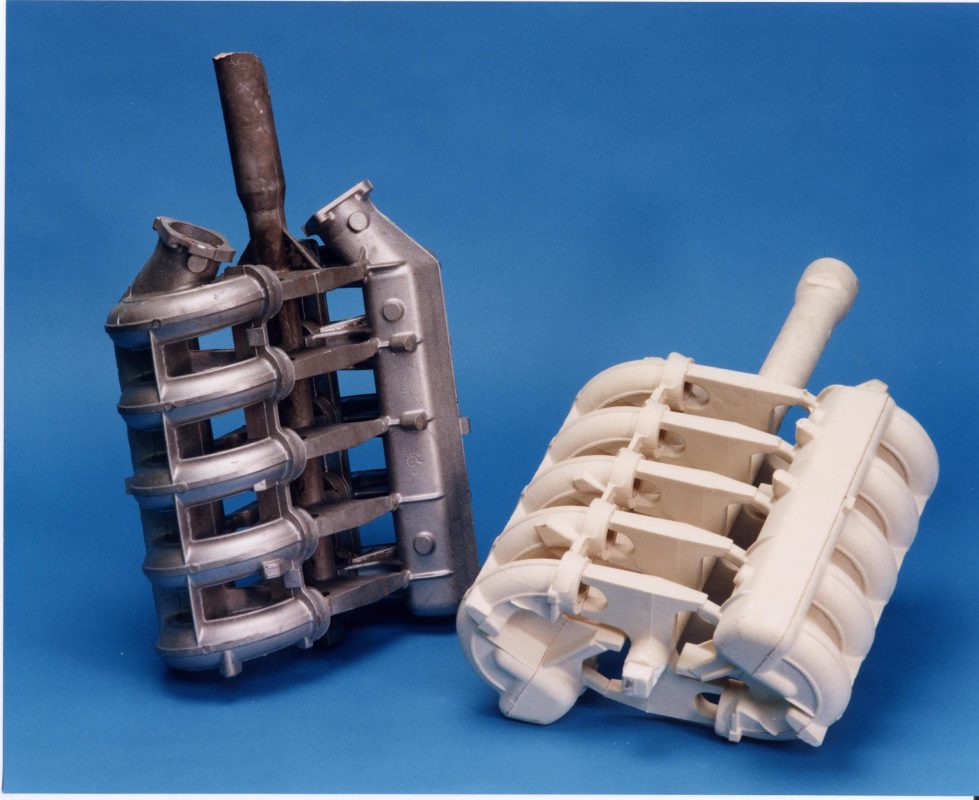
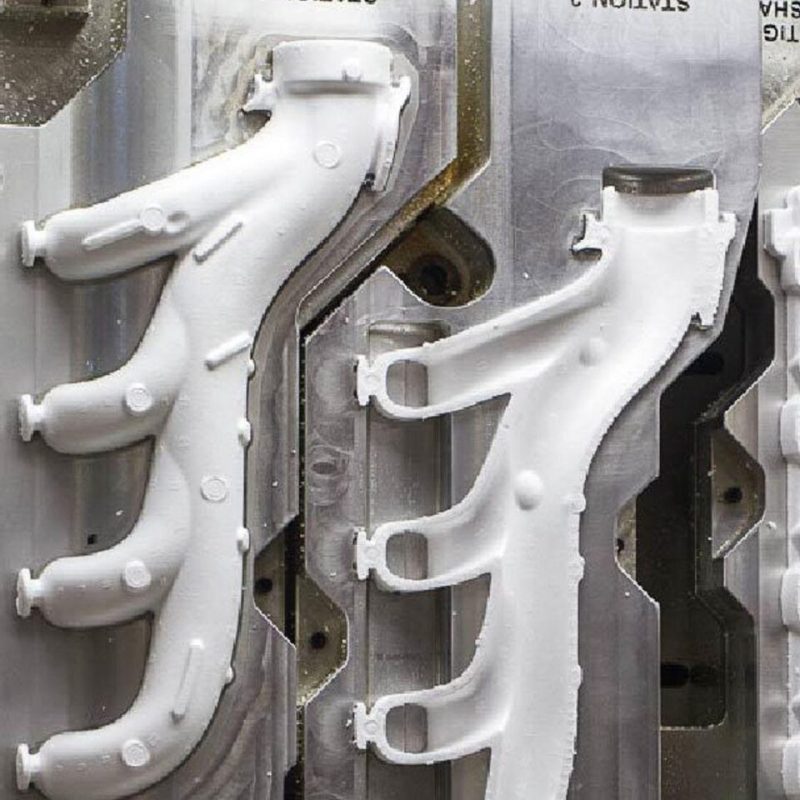
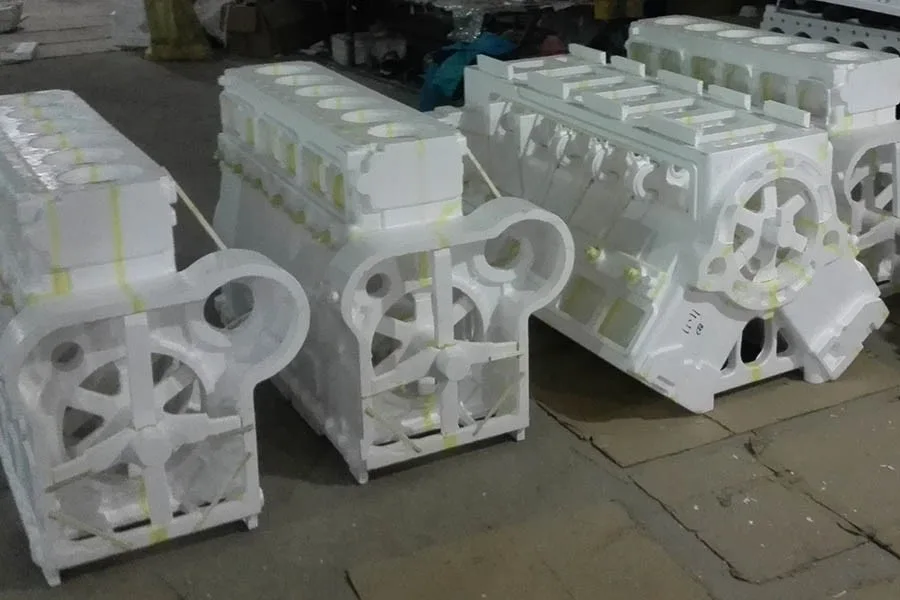
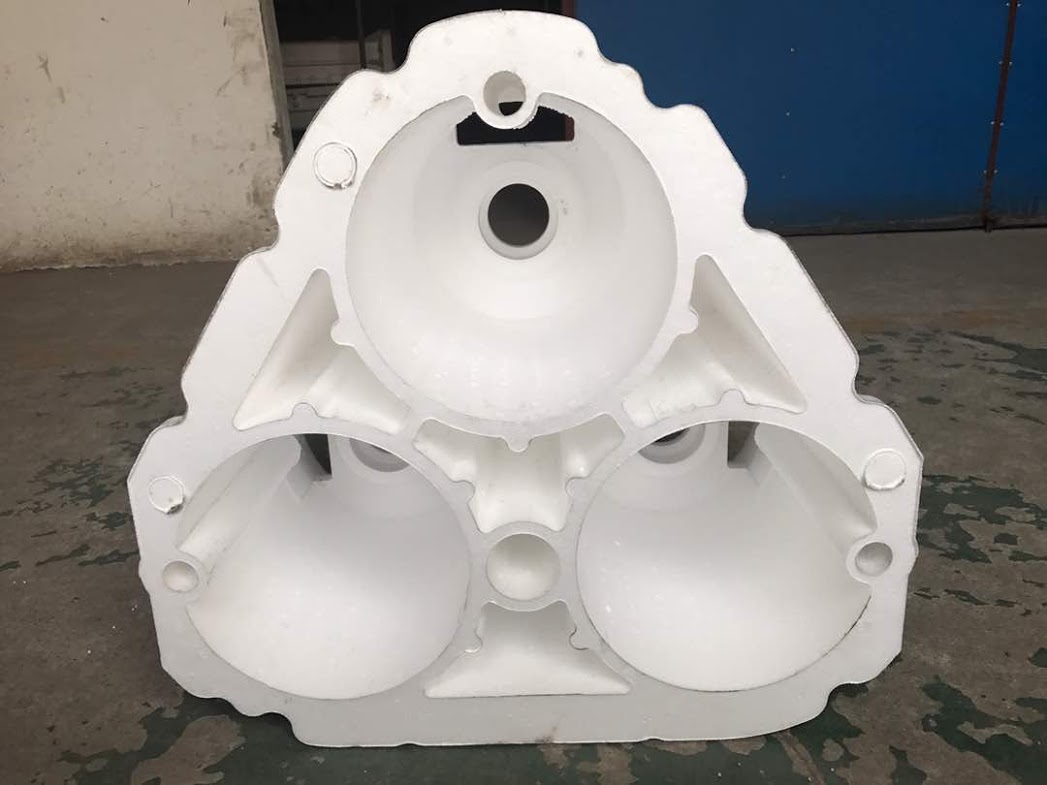
    • How it works: A pattern is made from expanded polystyrene foam (like Styrofoam). This foam pattern is coated with a refractory ceramic slurry and then embedded in unbonded sand. Molten metal is poured directly onto the foam pattern, which instantly vaporizes, allowing the metal to fill the cavity and take its shape.
    • Characteristics: Can produce complex geometries with good dimensional accuracy and surface finish, eliminates cores and parting lines, reduces machining.
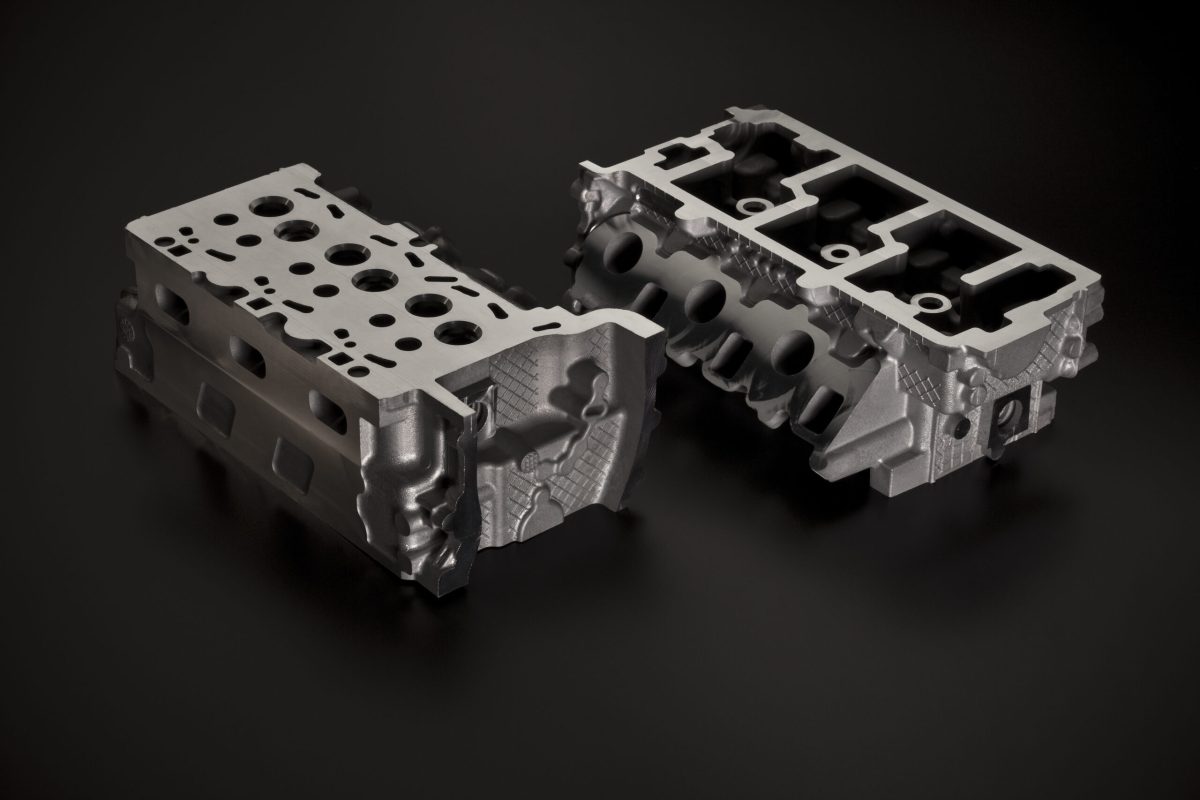
    • Applications: Automotive components (engine blocks, cylinder heads), manifolds, pump housings.
We use cookies to improve your experience on our website. By browsing this website, you agree to our use of cookies.